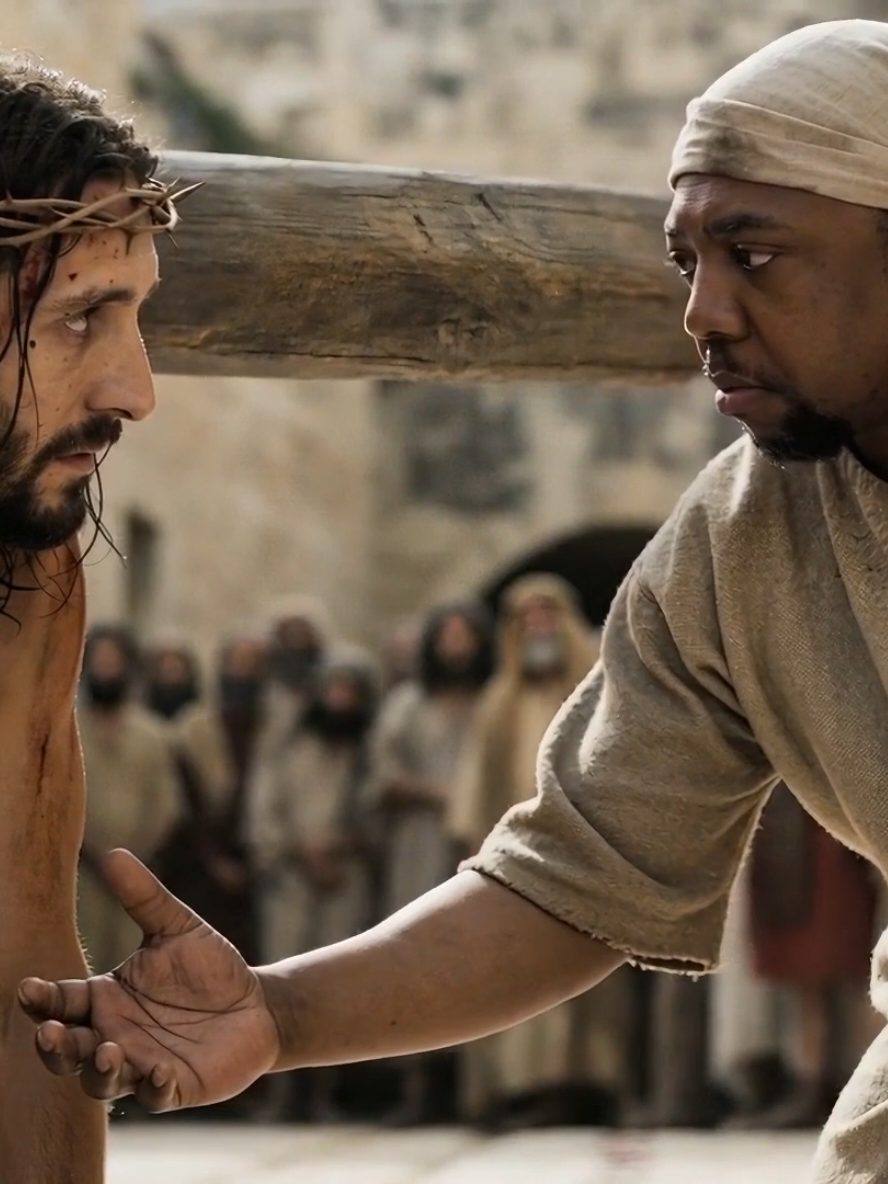
King Ndumbe Lobe Bell
Ruler of the Bell People
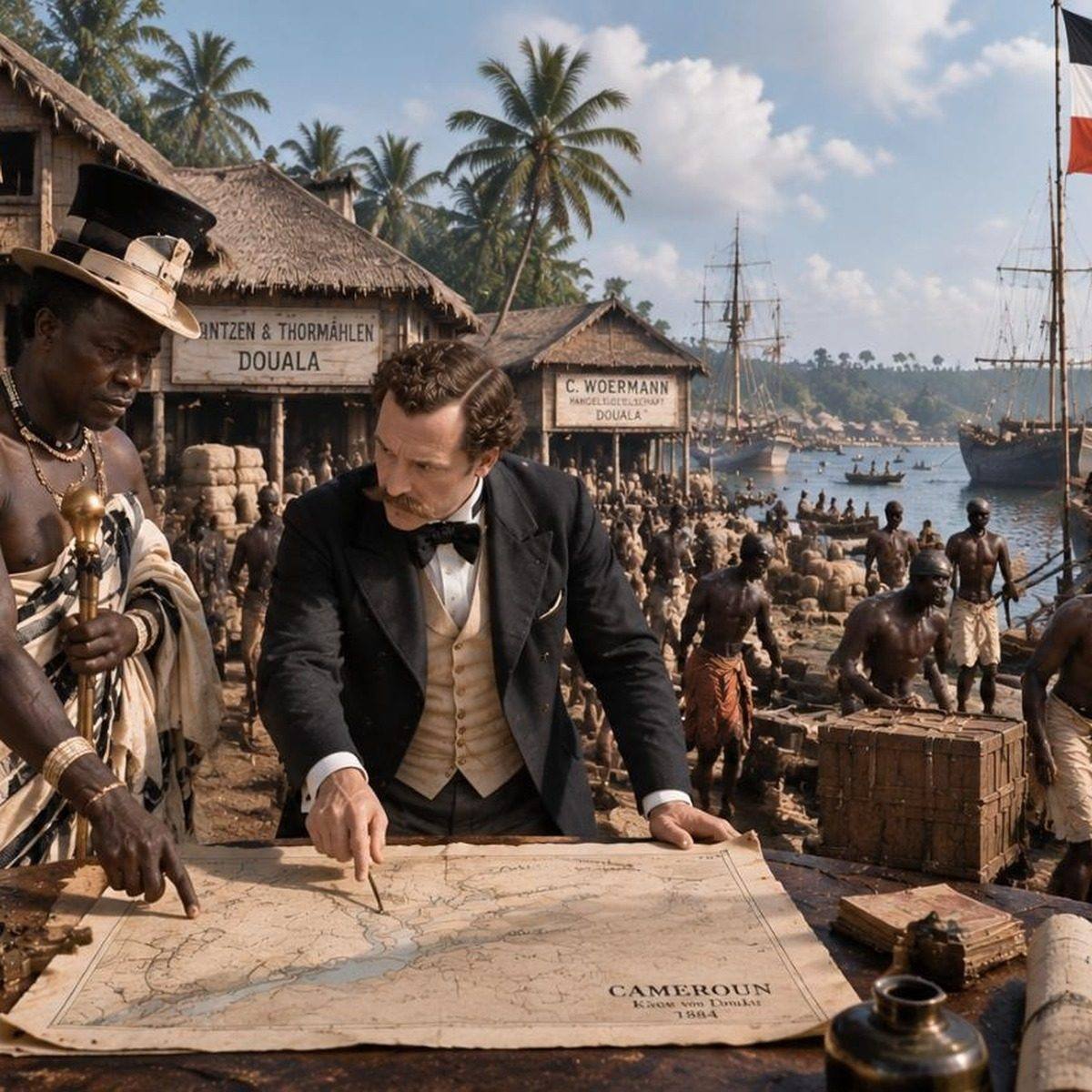
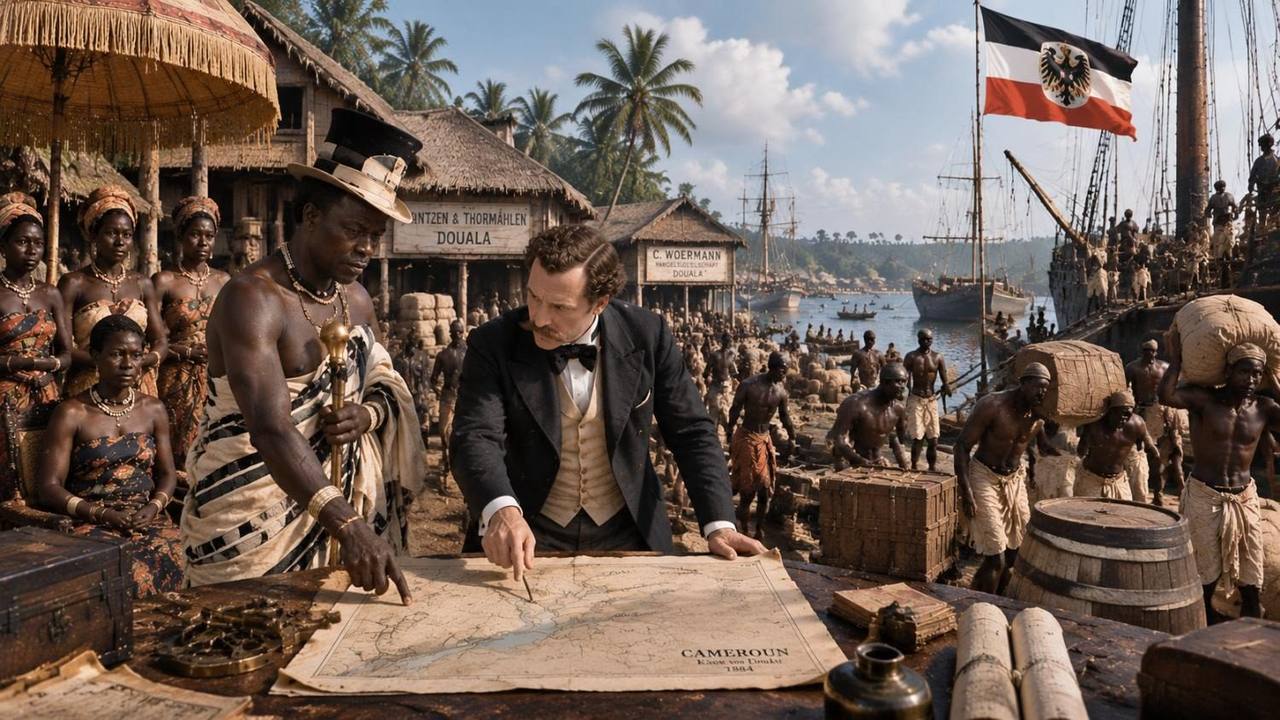
Duala, c. 1884. Trade. People. Sovereignty. He walks out of the trading house to meet a British consul — while the German paper is already signed.
Historical Drama
Historical Drama · 2026 · Feature · In Development
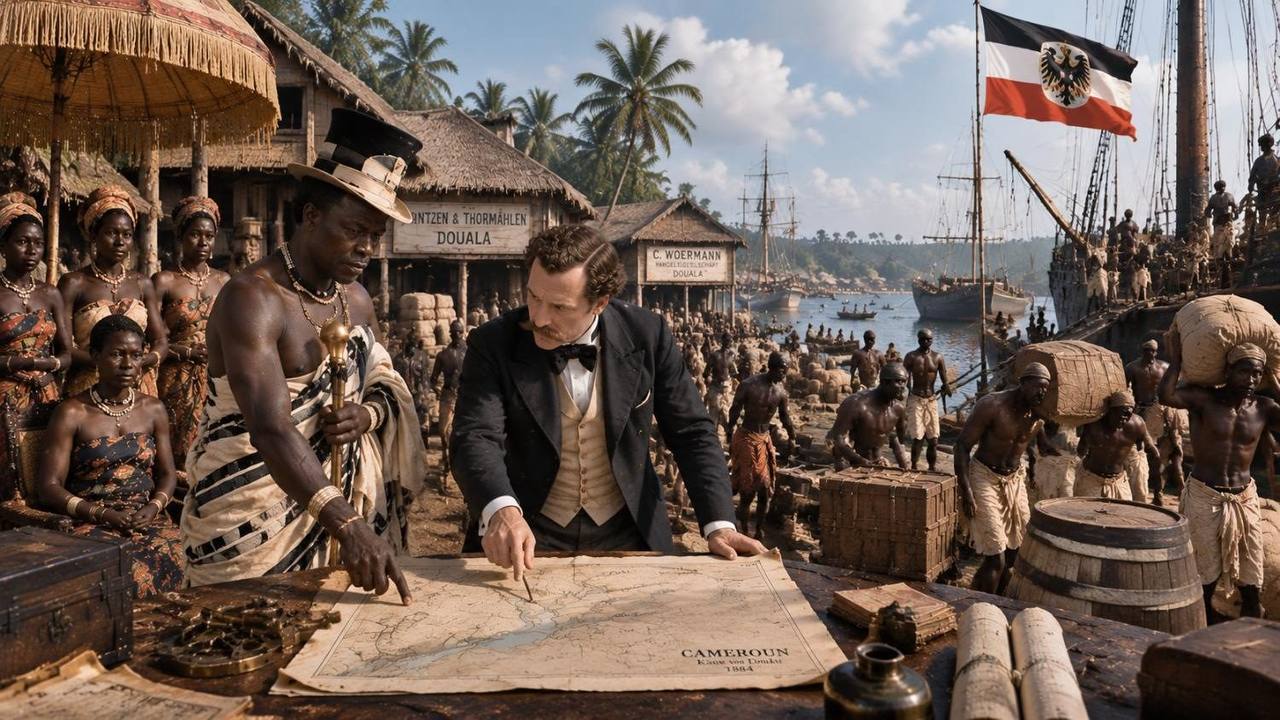
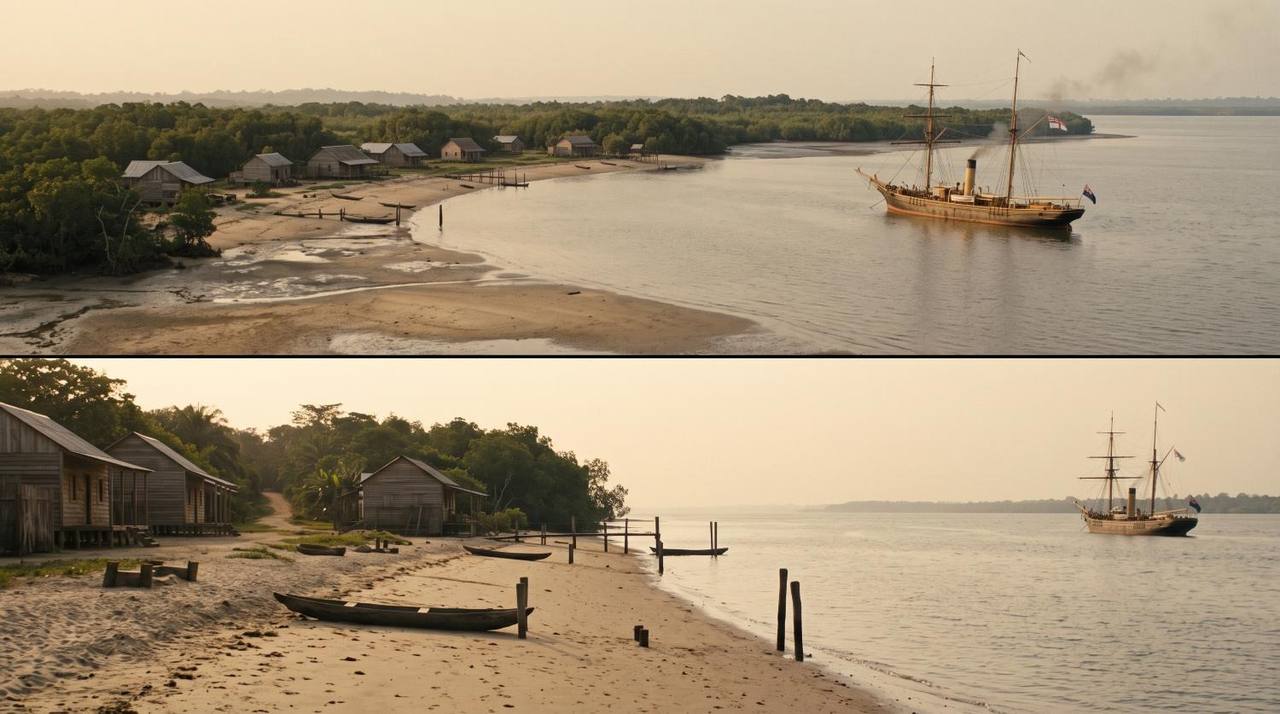
Douala, July 1884. The German ink is barely dry when a British horn sounds on the Wouri — Consul Hewett arriving with Queen Victoria's answer, a few irreversible days too late.
Story
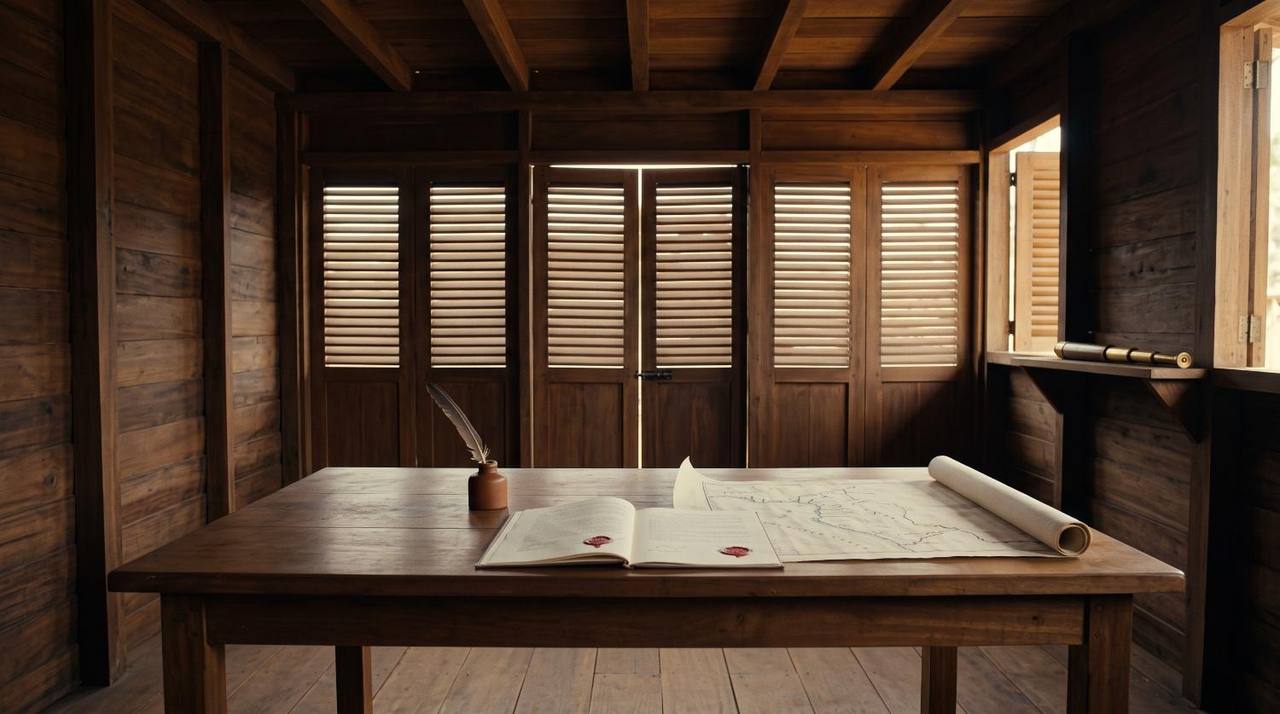
Douala, Cameroon. July 1884. On the banks of the Wouri River, King Ndumbe Lobe Bell faces an impossible choice: how to protect his people, their trade, and their sovereignty as Europe's rival powers close in on the Cameroon coast. Inside a wooden trading house, the ink is barely dry on a new agreement with Germany when a ship's horn breaks the silence. Beyond the window, a British vessel is approaching. Aboard it is Consul Edward Hyde Hewett, carrying Britain's long-awaited response to the Duala request for protection. But history has moved faster than diplomacy. As Hewett rushes ashore with sealed papers from Queen Victoria, King Bell walks out to meet him — while Gustav Nachtigal watches a political reality take shape. Two delegations advance toward one another across the crowded waterfront, separated not by distance, but by a few irreversible days. The Ship That Came Too Late is a restrained historical drama about African diplomacy, European imperial rivalry, and the devastating power of timing — capturing the moment when an answer finally reached Cameroon, only to discover that the question had already been decided.
Characters
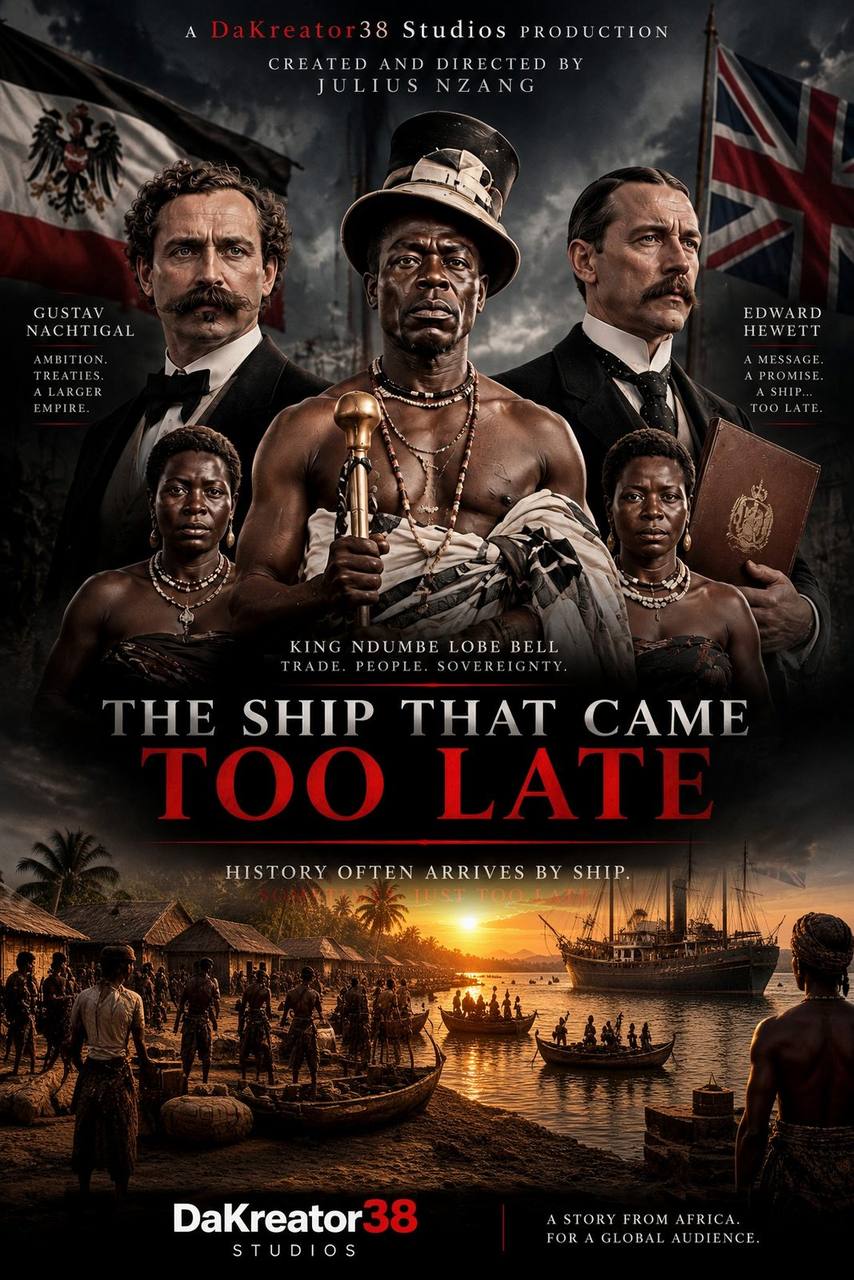
Ruler of the Bell People
Duala, c. 1884. Trade. People. Sovereignty. He walks out of the trading house to meet a British consul — while the German paper is already signed.

British Consul
July 1884. Douala. Early forties. He came with Her Majesty's interests. History had moved faster than he did. Too late… the flag is already up.

Imperial Commissioner
Explorer. Diplomat. Imperial agent. He negotiated the German protection treaties. He is already on the waterfront when the British horn sounds.
Frames

Behind the scenes
Coming soon. A restrained historical drama about the moment an answer reached Cameroon and discovered the question had already been decided.
Process
The Duala request for protection. Nachtigal. Hewett. Queen Victoria's papers. The German agreement. Then the frames.
From the trading house to the crowded waterfront. History as King Bell receives it — not as Europe announces it.
The horn, the ink, the sealed papers. Separated not by distance, but by a few irreversible days.
More from the library